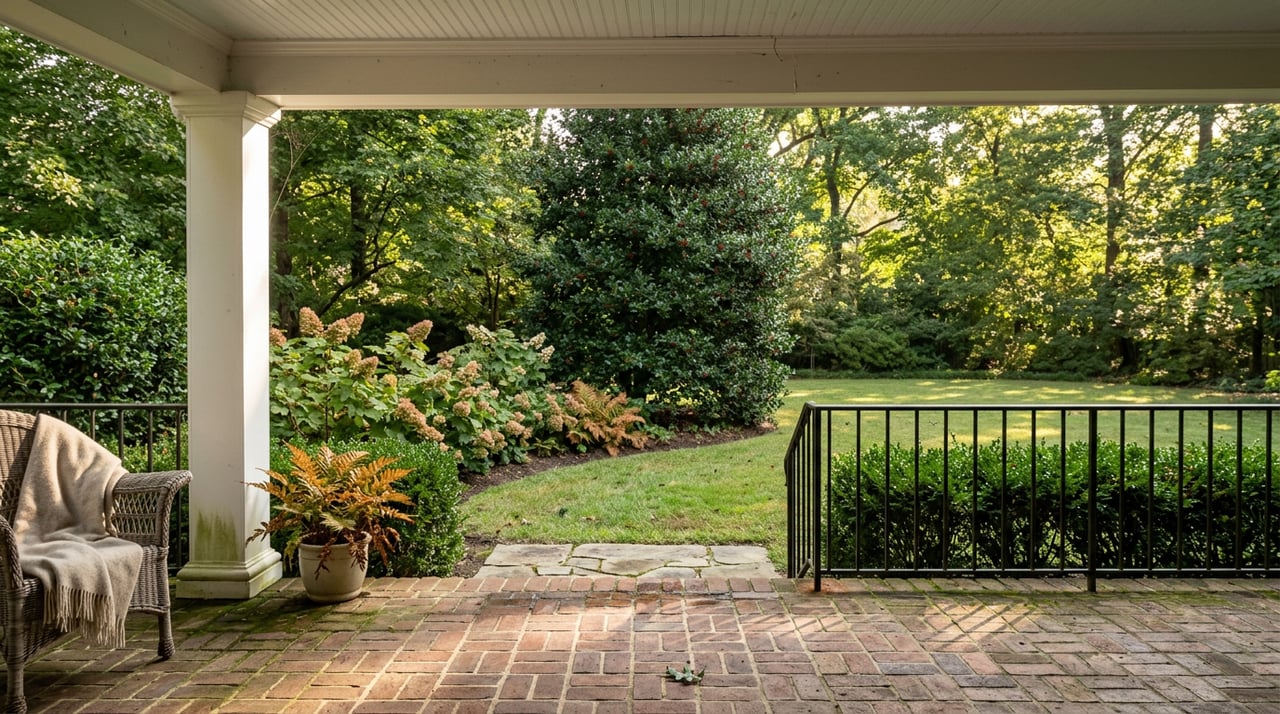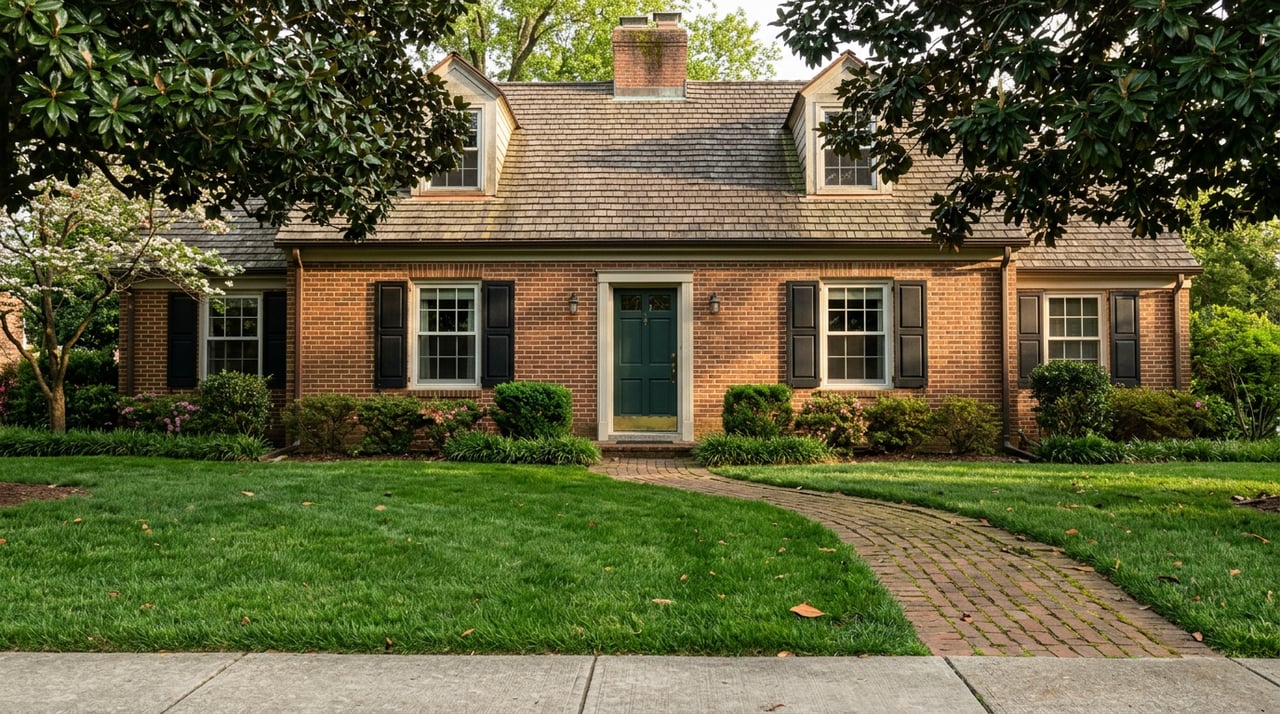
Ask why a house in Crestwood costs nearly twice what a similar one costs a few blocks away in 16th Street Heights, and most agents will point to the trees. Crestwood sits against Rock Creek Park on three sides, with no through streets cutting across it, so the quiet feels earned rather than incidental. That answer isn't wrong. It also isn't the reason the gap is as wide as it is.
The real reason has less to do with what Crestwood offers and more to do with how rarely any of it comes up for sale. Understanding that distinction changes how a buyer should actually shop these two neighborhoods, which sit on the same stretch of upper 16th Street NW and get compared to each other constantly.
The Number Everyone Quotes First
The headline figures are real. Crestwood's median home price sits around $1.75 million as of mid-2026. A few blocks east, 16th Street Heights has a median sale price of $882,500 over the trailing twelve months, up 4 percent from the year before, with homes there taking an average of 66 days to sell against a national average of 57.
Crestwood, by contrast, has recently moved houses in as few as 17 to 30 days depending on which snapshot you catch.
On the surface, that reads like a simple story: Crestwood is the hotter, pricier market, and 16th Street Heights is the value play next door. Most write-ups stop there. The number is accurate, but it's describing something much smaller and stranger than a typical neighborhood market.
What a Market This Thin Can't Tell You
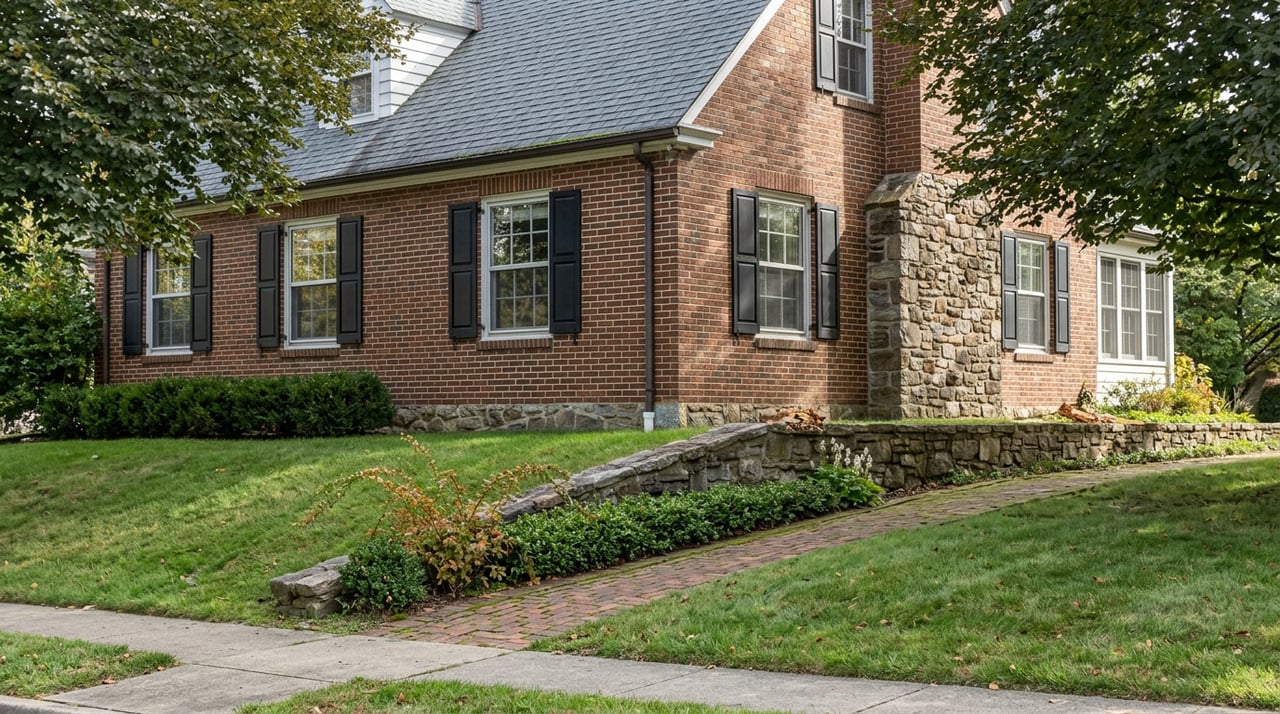
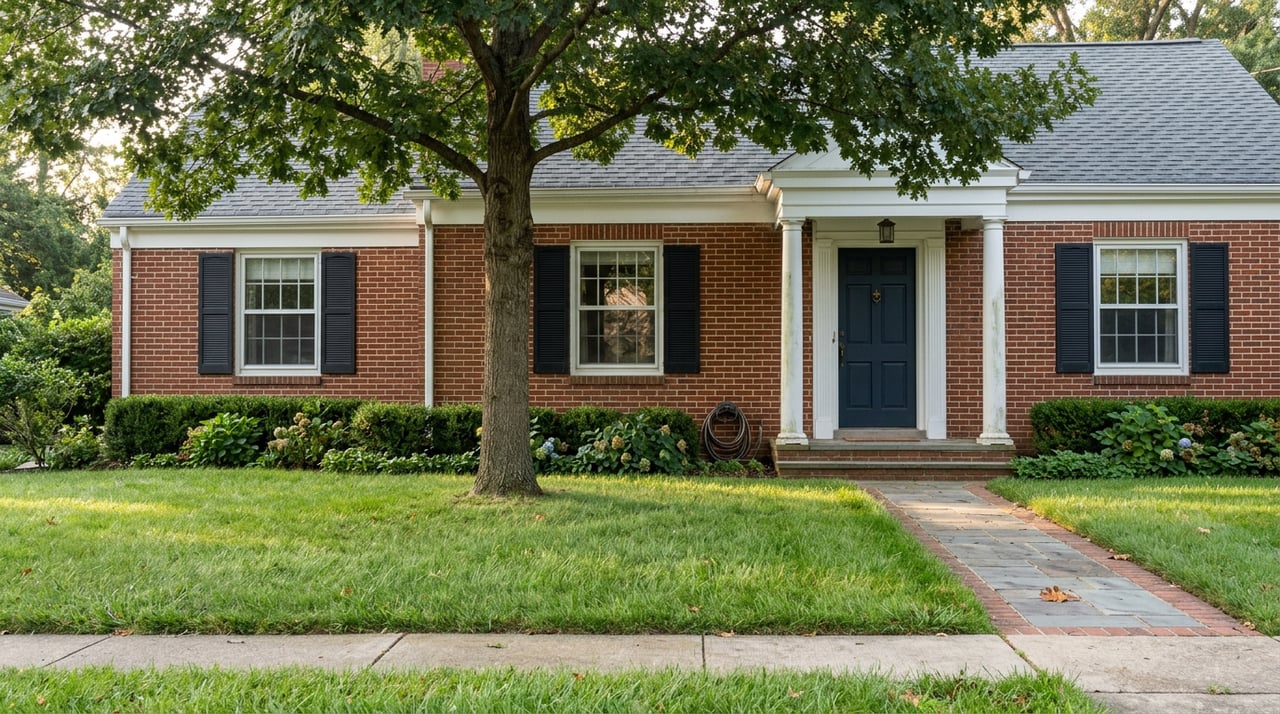
Crestwood has roughly 600 homes total, and about 91 percent of them are detached single-family houses on lots big enough to hold mature trees and, in some cases, a two-car garage. There is no commercial corridor inside the neighborhood at all. Residents walk to The Highlands café or Atxondo less than a mile away, but nothing sits for sale on a retail strip inside Crestwood's own boundaries, because there isn't one.
That housing stock almost never turns over. A recent snapshot showed only two active listings in the entire neighborhood. Another showed six. In a given month, sometimes exactly one Crestwood home closes.
Here's where it gets useful for a buyer trying to read the market correctly: check Crestwood's median price on one data feed and you'll see $1.75 million. Check a different feed pulled the same week and you'll see an average closer to $1,553,793, based on whichever two or three houses happened to be active at that moment. That's not an error in either source. That's what a median looks like when it's built from a sample of one or two transactions instead of dozens.
A citywide median tracks a trend. A neighborhood-of-600-homes median tracks whoever happened to sell last month. Those are different instruments, and only one of them tells you where prices are actually heading.
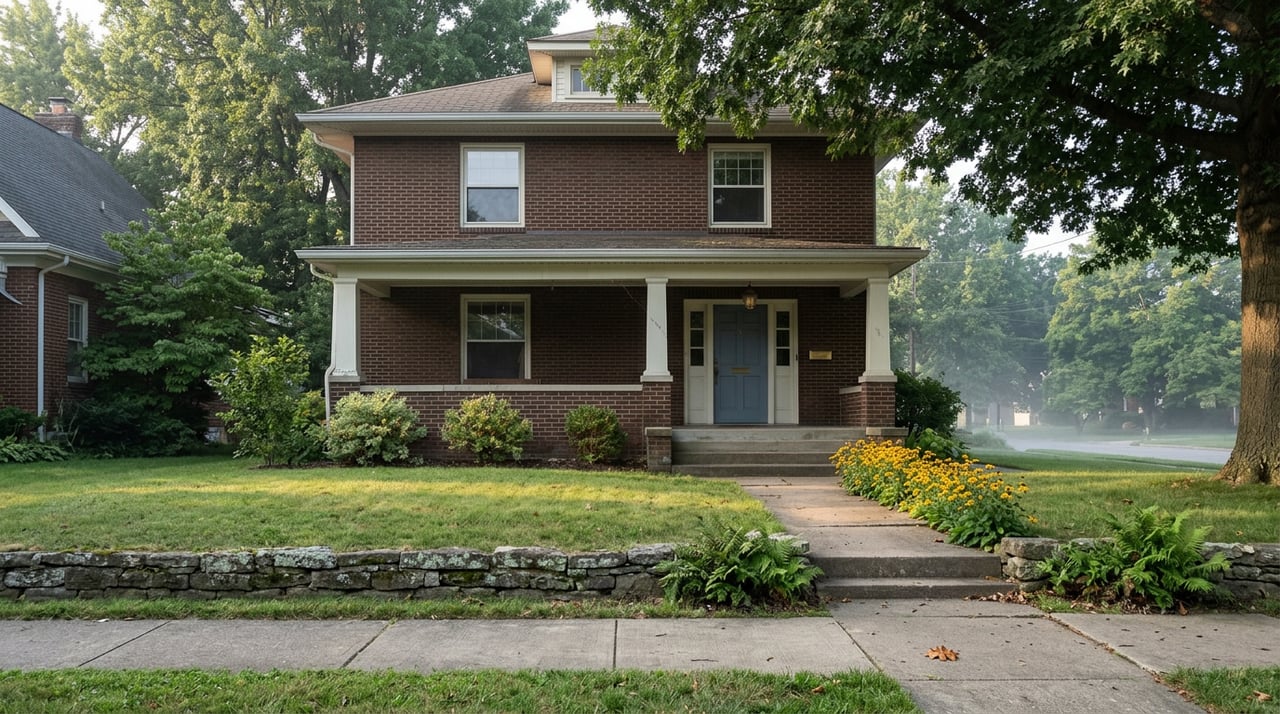
16th Street Heights doesn't have this problem to the same degree. Its housing stock runs wider and more varied, from stately homes directly on 16th Street to more modest colonial, cottage, and Victorian houses on the side streets, plus a limited number of rowhouses and newer condo product. That mix, combined with more regular turnover, is why its 12-month, 4 percent increase means something. There's enough volume behind it to call it a trend rather than an anecdote.
Fast Isn't the Same as Competitive
There's a second layer to this that trips up buyers who assume "sells fast" means "gets bid up."
Recent Crestwood listings have typically received one offer. Not five. Not a bidding war that pushes a list price up by six figures. One offer, accepted, close in under a month.
That's worth sitting with. A house that sells in 17 days with a single offer isn't necessarily a house the whole market wanted. It's a house that matched with the one buyer actively watching for it, in a neighborhood where a new listing might not appear again for months. The speed reflects scarcity of competing inventory, not a crowd of buyers fighting over the same front door.
This matters for strategy. In a genuine bidding-war market, over-preparing your offer to compete against a dozen others makes sense. In Crestwood, the more relevant skill is being positioned to move the moment something appears, because there may not be a second option to fall back on while you deliberate.
Side by Side
| Crestwood | 16th Street Heights | |
|---|---|---|
| Recent median price | ~$1.75M (mid-2026 snapshot) | $882,500 (trailing 12 months, up 4%) |
| Days on market | 17–30 days (recent snapshots) | 66 days (12-month average) |
| Housing stock | ~600 homes, ~91% detached single-family | Mix of detached homes, limited rowhouses, newer condo development |
| Commercial corridor | None; entirely residential | Yes, along 14th Street and Georgia Avenue |
| Typical competition per listing | About 1 offer | Not separately reported, but higher transaction volume overall |
A Live Test of the Idea: Carter Barron's Comeback
There's a real-world experiment running right now that illustrates why thin markets don't move the way you'd expect.
The Carter Barron Amphitheatre, a 4,200-seat outdoor venue tucked inside Crestwood along Rock Creek Park, is coming back after roughly a decade dark. The National Park Service closed it in 2017 over concerns that the stage substructure couldn't safely support performances, and years of advocacy from groups including the Rock Creek Conservancy pushed a renovation effort forward. As one advocate put it during the campaign to save it, the venue was "too big and too significant and too storied a resource to let go." The amphitheater is now on track to host live programming again in 2026, alongside the neighboring FitzGerald Tennis Center, which hosts the Mubadala Citi DC Open.
That's the kind of amenity news that would typically show up in comparable sales within a year or two, in a neighborhood with enough transaction volume to reveal it. In Crestwood, it might not show up in the data cleanly at all. If only one or two homes sell near the amphitheater in the next twelve months, any price movement could just as easily reflect that specific house's condition or lot as it does proximity to a reopened cultural landmark. The signal is real. The sample size to detect it statistically isn't there.
What This Actually Means If You're Choosing Between the Two
- In Crestwood, shop by availability, not by trend. With so few homes moving, the "market" you'd be reading about doesn't behave like a market in the conventional sense. Decide what you want in terms of lot size, architectural style, and proximity to the park, then be ready to act when one of the rare matching listings appears.
- In 16th Street Heights, the pricing data is more trustworthy as a guide. With a wider mix of housing types and more regular sales, a 4 percent year-over-year increase reflects actual buyer demand rather than the outcome of a single transaction.
- Don't mistake Crestwood's speed for a bidding war. A fast sale there usually means a scarce match, not a crowded field. That changes how aggressively you need to price an opening offer.
- Watch how the Carter Barron reopening plays out over a longer window than usual. A thin market takes longer to reveal whether an amenity has actually moved prices, simply because there are fewer transactions to show it.
A Few Honest Questions
Is Crestwood a bad investment because there's so little data to judge it by? Not necessarily. It means the usual shortcuts, like comparing recent sale prices or watching median trends month to month, are less reliable there than they'd be in a larger, more liquid neighborhood. A buyer or seller in Crestwood benefits more from a close read of the specific handful of comparable homes than from any citywide chart.
Will the Carter Barron reopening raise home values in Crestwood right away? It's reasonable to expect renewed interest in the immediate area, but with such limited transaction volume, any price effect will likely take longer to show up clearly in the data than it would in a neighborhood with more regular sales.
Why is 16th Street Heights cheaper if the architecture looks similar in places? The two neighborhoods share some housing styles, but 16th Street Heights includes a wider range of home types, a working commercial corridor, and considerably more turnover. Crestwood's scarcity, not a difference in home quality, accounts for most of the gap.
If you're weighing a purchase along this stretch of upper 16th Street, the honest answer depends less on which neighborhood has the better median and more on which kind of market you're prepared to navigate: one where the data guides you, or one where a single available house is the whole decision. Matthew Paschall has spent more than two decades reading DC blocks at this level of detail. Let's Connect if you want a clear-eyed read on what's actually for sale in either neighborhood right now.