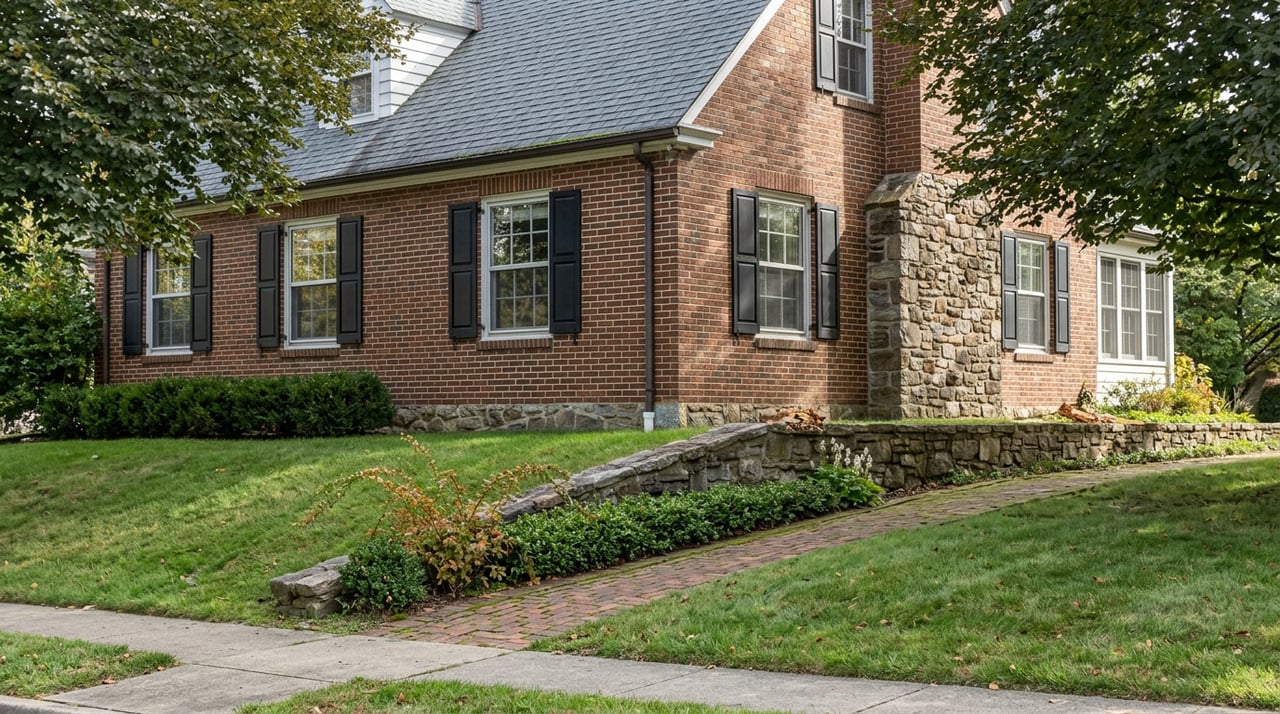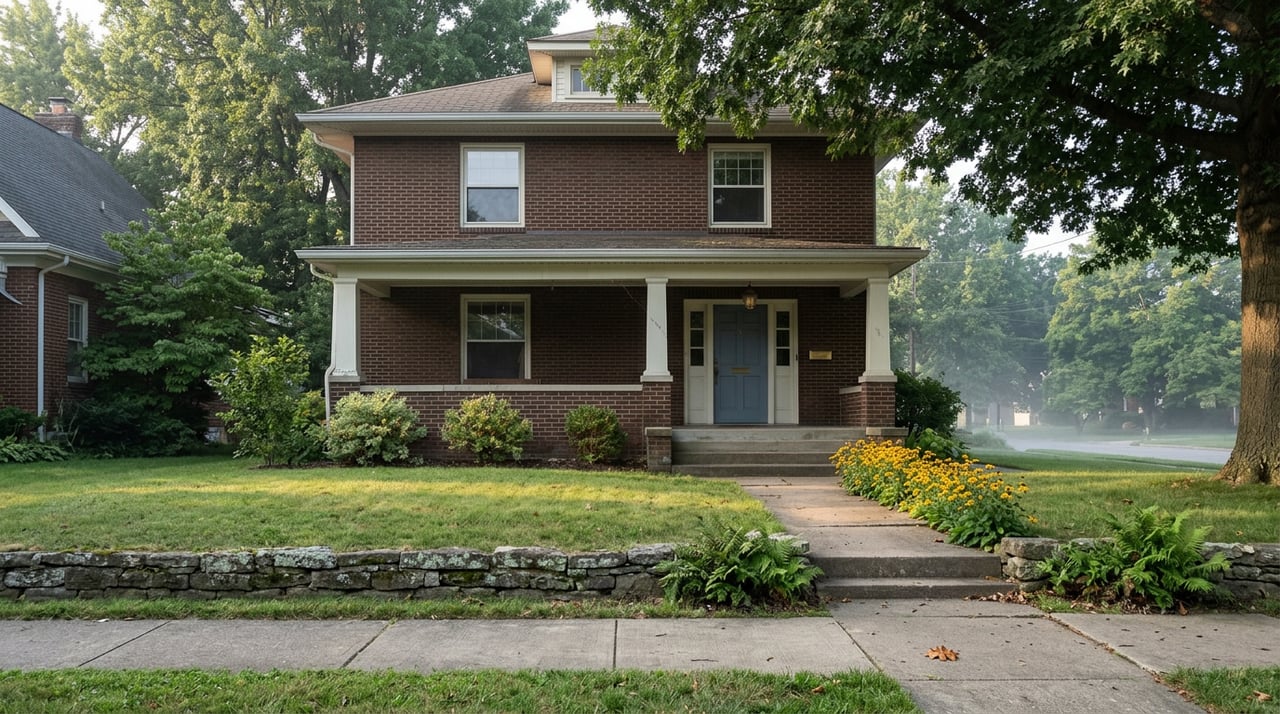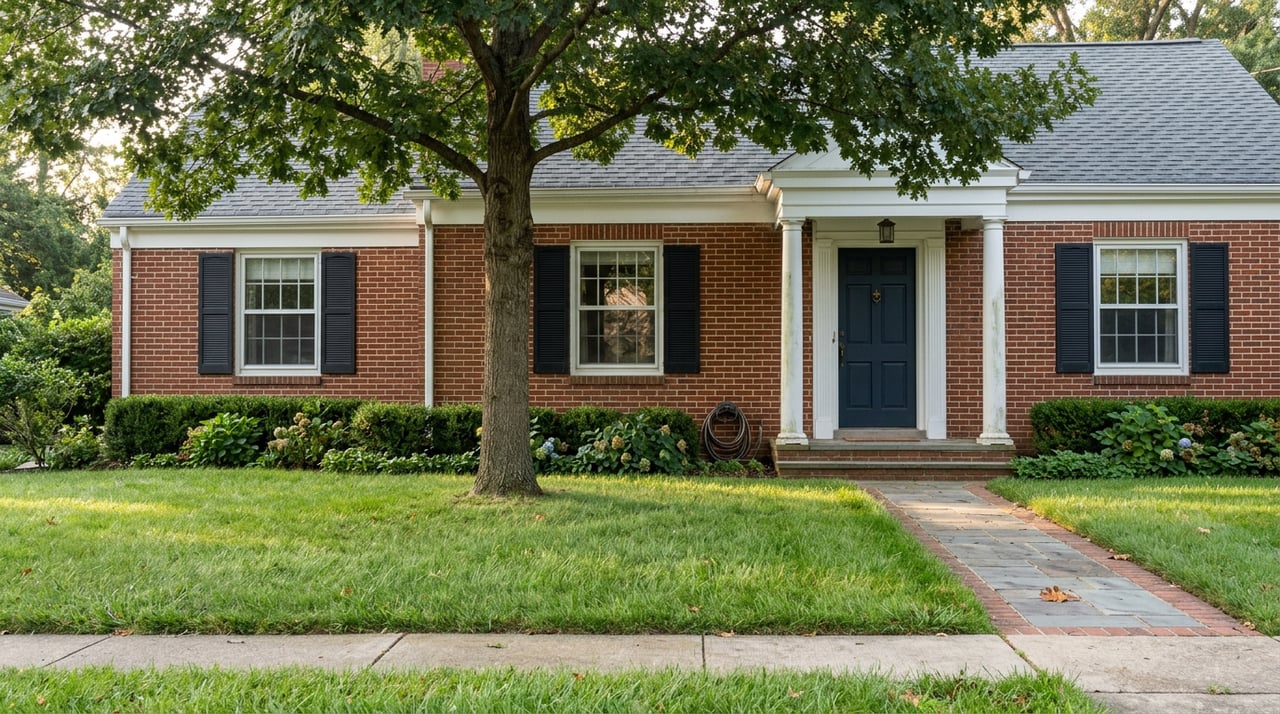
Ask a regular at the bar inside Wheelhouse which side of the line they're sitting on and you'll likely get a shrug rather than an answer. The restaurant's address, 5714 Connecticut Ave NW, sits just over the Montgomery County-Washington, D.C. border, according to Bethesda Magazine's coverage of the opening. Nobody who actually lives here treats that as meaningful information, and that habit of not caring is the pattern worth watching this year.
Chevy Chase's daily life, where people buy groceries, who keeps the neighborhood's own history, which Wednesday night plaza show gets a lawn chair, already ignores the boundary that shows up on a map. The calendar running from this summer into fall makes that pattern easier to see than usual, mostly because so much of it landed at once: a new anchor restaurant, a library rebuild working through its design phase, and two historical societies with nearly identical names quietly documenting the same streets from opposite sides of the county line.
A Restaurant That Couldn't Decide Which Side It's On
Wheelhouse opened to the public on Wednesday, June 10, in the former Wine & Organic Market space next to Citibank, a spot that had sat dark for years while residents wondered what would eventually fill it. The 4,500-square-foot dining room seats 211 people across indoor and outdoor sections, built around a 33-foot bar, and comes from Bo Blair, founder and CEO of Georgetown Events Hospitality Group, the company behind Millie's in Spring Valley, Due South, The Bullpen, Surfside, and the Jetties sandwich shops.
Blair told Washingtonian what he was actually going for with the room:
"You don't feel like you're in DC. You feel like you're somewhere else. And that's exactly what we love to do."
That's a telling ambition for a restaurant that opened its doors a few dozen feet from a jurisdictional boundary. Blair wasn't trying to plant a flag for either side of the line. He was building a room designed to make you stop thinking about where you are at all, which happens to match how the surrounding blocks already function. Wheelhouse joins Opal, BirdSong, Parthenon, and Little Beast on the same stretch of Connecticut, with the nonprofit Avalon Theatre a few doors down giving moviegoers a reason to walk the block before or after a show.
The Errand Loop Nobody Draws on a Map
Saturday mornings still start where they always have, at the Chevy Chase Farmers Market on Broad Branch Road NW, running 9 a.m. to 1 p.m., with Broad Branch Market a few doors down handling the rest of the week's smaller grocery runs. Both sit firmly on the District side.
A short walk or drive north, past the Circle and over the county line, the plaza at Chevy Chase Lake has spent the summer running its own programming: an outdoor acoustic series on Wednesday evenings and family-oriented weekend events that have become part of the same neighborhood's routine, even though the plaza itself sits in Maryland. Nobody reroutes a Saturday because the jurisdiction changed underfoot. The errand loop, market to corner store to plaza concert, runs as one continuous circuit regardless of which government collects the property tax on any given block.
Two Historical Societies, Two Blocks Apart, One Street
The clearest evidence of this pattern isn't a restaurant or a market. It's who gets to keep the neighborhood's memory, and the answer turns out to be two separate nonprofits with almost the same name.
Historic Chevy Chase DC has spent more than 35 years documenting the history, architecture, and streetscape of the circa-1907 community on the District side, collecting more than 30 oral histories from residents along the way. It runs a well-attended History Walking Tour every September. This year, timed to the nation's 250th anniversary, the organization also produced a four-part webinar series called "Chevy Chase at 250," and partnered with the Chevy Chase Community Association on a new tour, "300 Years Per Mile," which filled its registration entirely, according to the event listing.
Meanwhile, the separately incorporated Chevy Chase Historical Society is headquartered a few blocks away at 8401 Connecticut Avenue, Suite 1010, on the Maryland side. It runs its own self-guided walking tours and a lecture series called Hidden Histories, which has covered subjects including the Rollingwood Burial Ground for Enslaved People, presented by Renata Lisowski, the Society's Director of Archive and Research Center.
Two organizations, both keeping the memory of what most people would call one neighborhood, split by an invisible line and a short walk down Connecticut Avenue, each with a name close enough to confuse a newcomer. That's about as clean an illustration of the underlying pattern as this neighborhood offers.
What's Actually on the Calendar Before Halloween
For anyone planning the next couple of months rather than reading about the last couple, here's what's confirmed:
- September 12, 4 to 10 p.m.: Art All Night Chevy Chase
- September 19, 1 to 4 p.m.: Chevy Chase DC Day
- Through the summer, Wednesday evenings: the outdoor acoustic series at the Chevy Chase Lake plaza
- September: Historic Chevy Chase DC's annual History Walking Tour
- New this year: the "300 Years Per Mile" walking tour, hosted jointly with the Chevy Chase Community Association
Two organized community events land on back-to-back weekends in September, which is enough clustering that it's worth marking the calendar now rather than finding out from a neighbor's front-yard sign in early September.
The Library Project Nobody Has Set a Start Date For
The one piece of this year's Chevy Chase story that's entirely a District project, with no ambiguity about which side of the line it sits on, is the redevelopment of the Chevy Chase Civic Site at 5601 and 5625 Connecticut Avenue NW. In January 2026, Mayor Bowser's office announced the selection of Rift Valley Chevy Chase, LLC to replace the existing library and community center, buildings that date to 1968 and 1971, with a new 23,500-square-foot library and a 21,600-square-foot community center.
The plan also includes 177 units of affordable and market-rate housing. Deputy Mayor Nina Albert told WTOP that roughly 30 percent of those units will be set aside as affordable housing, with the rest at market rate, alongside approximately 8,000 square feet of ground-floor retail intended to serve the community.
As of this writing, the project is still in its design and community engagement phase rather than under construction. DC Public Library's own project page describes the design work beginning with a review of the site and existing operations, run in parallel with an ongoing community engagement process, and notes that more than 100 residents attended the kickoff meeting to share what they want from the new spaces. No construction start date has been set publicly.
It's worth sitting with the fact that this is a purely DC-funded, DC-run project replacing buildings that have served an entire community, on both sides of the county line, for more than five decades. The library card in your wallet may say Montgomery County or the District, but the building itself never checked before letting anyone in.
The Shape of the Actual Neighborhood
None of this argues that the line doesn't exist. Property taxes, school boundaries, and zoning still follow it precisely. But the useful takeaway for anyone who already lives here is that "which Chevy Chase" was never really the operative question day to day. The operative question was always which block, which Saturday errand, which Wednesday plan, and this year's calendar of openings, tours, and rebuilds simply made that pattern easier to point at than usual.
If you're the neighbor who ends up fielding everyone's questions about the new library or the restaurant that opened on the border, or if you're weighing what any of this might mean for your own plans in the area, Matthew Paschall keeps a close watch on how this community actually moves, block to block and border to border. Let's Connect.